How is a LHCO Removed?
Discover the steps to remove a lead hazard control order.
Lead-safe certification is a legal requirement for rental properties built before 1978. To obtain certification, a property must be inspected by licensed lead risk assessment contractors in Cleveland, with sampling and clearance testing completed to confirm that lead hazards are not present. When lead hazards are identified, the city issues a Lead Hazard Control Order (LHCO), which requires corrective work to be completed before clearance can be granted and the property can proceed toward certification.
For property owners, receiving an LHCO raises concerns about legal compliance, cost, and how to navigate the process without further complications. Because the order is tied to regulated requirements, the work must be completed correctly and in the right order. This article discusses the steps involved, from review of the order through abatement, lead clearance testing, and final approval, to help property owners understand what to expect and how the process works.
Why and When is a Lead Hazard Control Order Issued?
A Lead Hazard Control Order is a legal notice issued when inspection or sampling identifies lead hazards in a property. It may be issued following a lead risk assessment that confirms hazardous conditions, or when a child living in or regularly visiting the property has an elevated blood lead level.
A Lead Hazard Control Order is not a fine and does not permanently prevent a property from being rented. It requires that identified lead hazards be corrected. Once the required abatement or hazard control work is completed and the property passes lead clearance testing, the order is lifted, and the property can proceed toward lead-safe certification.
Lead Hazard Control Order: What Comes After
Lead hazard removal or abatement typically begins after a lead risk assessment. In many cases, an LHCO is issued after a lead risk assessment in Cleveland has already been completed. The order includes the details of the hazards identified in the assessment, and the scope of the work is clearly defined for abatement.
However, when an LHCO is issued because of a lead poisoning case or when the lead risk assessment is not recent or has insufficient documentation, a lead risk assessment is completed before abatement begins. This helps define exactly what work is needed, avoids unnecessary removal, and reduces the risk of clearance issues later in the process.
The Process for Removing a Lead Hazard Control Order
To have a Lead Hazard Control Order lifted, the lead hazards identified in the LHCO notice and any related assessment must be corrected. The abatement work can only be done by an EPA-certified lead contractor with the experience to complete the work in compliance with HUD Guidelines, EPA regulations, and the Ohio Department of Health (ODH) standards.
Lead paint abatement in Cleveland is a highly regulated process that requires specialized training and expertise. Certified contractors use approved methods, containment practices, and equipment to complete the work under regulated protocols to ensure it meets city compliance requirements. Abatement work cannot be completed by general contractors without lead certification, as unapproved methods can result in failed clearance and additional corrective work.
The lead paint abatment process may include:
Hazard Review and Abatement Plan
The lead risk assessment and LHCO documentation are reviewed to identify which components contain lead-based paint and what corrective work is required. This review defines the scope of the project and determines whether hazards can be removed through encapsulation or enclosure, or if paint removal or full component replacement is required.
Abatement Work and Site Preparation for Clearance
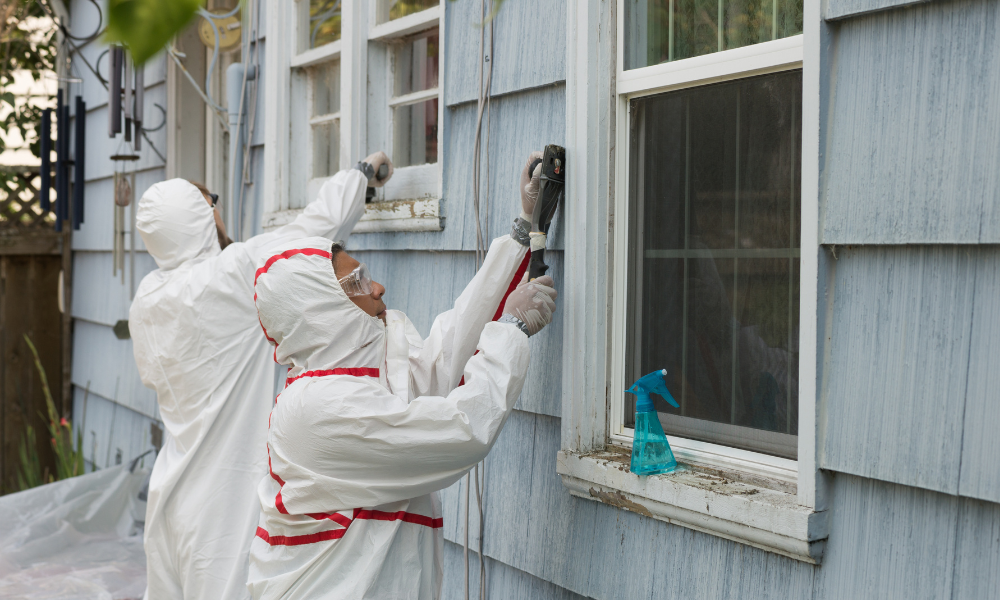
Based on the defined scope, abatement work can include removing or replacing lead-painted components, installing approved enclosures, or encapsulating intact surfaces. Containment measures are used during the work to limit dust spread and protect unaffected areas of the property. After the physical work is completed, the property is cleaned using HEPA vacuuming and wet-wash methods to prepare for clearance testing.
Post-Abatement Clearance Testing
A licensed lead risk assessor in Cleveland collects dust wipe samples and submits them to an EPA-accredited laboratory for analysis. These results show whether lead dust levels meet HUD, EPA, and ODH standards.
Clearance reports and required documentation are submitted to the city for review. When the documentation is complete and the results meet requirements, the LHCO is lifted, and the property can continue through the lead-safe certification process.
The scope of lead abatement projects can vary. Some units only need minor stabilization or encapsulation. Others require more extensive abatement, such as window replacement, flooring upgrades, or removing old plaster and rebuilding surfaces. At Bond Paint Inspection, our experience ranges from targeted repairs to complete multi-unit rehabilitation, including a four-unit building in Cleveland that qualified for the city’s 20-year lead risk assessment exemption.
Delays may occur when abatement work does not meet LHCO requirements, clearance testing fails due to dust or incomplete cleanup, or documentation needs to be corrected before submission. Using licensed lead professionals who understand both the technical and regulatory requirements helps reduce the risk of delays, repeat tests, or higher costs.
At Bond Paint Inspection, we handle the entire lead safe certification process under one roof, from lead risk assessment and abatement to clearance testing, documentation, and certification. With EPA-certified lead contractors and assessors handling everything from sampling to clearance documentation, we help you move through each stage without complications.
Get Your LHCO Compliance in Cleveland Easily with Licensed Lead Abatement Services
Removing a Lead Hazard Control Order requires correcting identified lead hazards so the property meets lead-safe requirements. Working with licensed lead risk assessment and abatement professionals in Cleveland helps ensure the required work, testing, and documentation are completed properly so the order can be lifted and certification issued, without unnecessary hassle or delays.
At Bond Paint Inspection, we make your lead safe certification simple by providing pre-inspections, lead risk assessment, clearance and abatement services in Cleveland under one roof. With a licensed and experienced team managing the inspection, testing, documentation, and required work, we help you complete the process efficiently, avoiding unexpected delays or added costs for a lead-safe home. Schedule a consultation today.